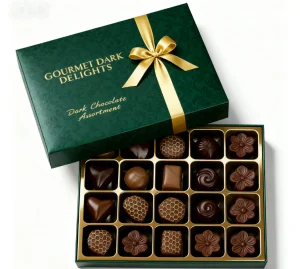
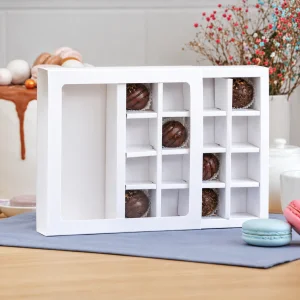
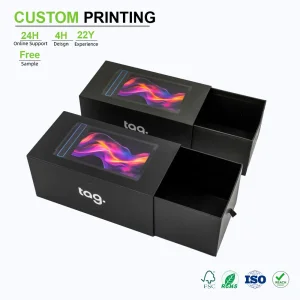
Customized, high-end packaging solutions engineered specifically to exceed the rigorous design and material safety expectations of Tokyo and Kyoto's retail landscapes.
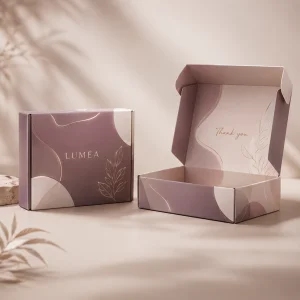
Cultural Nuances, Gifting Etiquette, and the Standard of Flawless Presentation
In the global confectionery sector, Japan represents the pinnacle of luxury presentation and ritualistic gift exchange. Gifting is not merely a social gesture but a cornerstone of interpersonal harmony (*Wa*), corporate networking, and familial respect. From seasonal greetings such as Oseibo (winter gifts) and Ochugen (summer gifts) to micro-occasions like *Omiyage* (regional souvenirs), the aesthetic caliber of packaging is inherently equated with the value of the relationship itself.
During specialized celebrations like Valentine’s Day, Japanese consumer behavior diverges into complex, distinct purchasing patterns:
Consequently, a premium chocolate box destined for Japan must deliver a flawless, high-tactility unboxing experience (*Omotenashi*). Any visual imperfection—whether a hairline alignment deviation, glue residue, chemical odor, or dented corner—leads to immediate product rejection at retail and brand degradation.
How We Align Material Science with Japan's Eco-Conscious and Aesthetic Benchmarks
Utilizing eco-friendly water-based and organic barrier coatings to prevent cocoa butter migration, ensuring packaging structural integrity and preserving product flavor profiles.
Fully compliant with Japan's Container and Packaging Recycling Law. We offer premium soy-ink printings on FSC-certified grayboards and compostable sugarcane bagasse trays.
Employing high-speed automated CNC milling to guarantee clean 90-degree V-grooves. Resulting in rigid structures that assemble perfectly on automated packing lines.
Comparison of high-end raw materials optimized for Japanese chocolate exporters and premium brands.
| Substrate Material | Typical Application | Recyclability Rating (Japan) | Moisture/Fat Barrier Rating | Structural Durability |
|---|---|---|---|---|
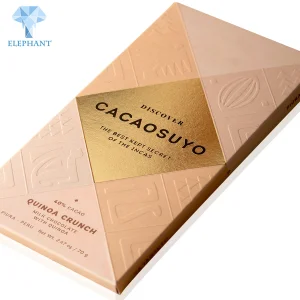
| FSC Virgin Kraft Board | Eco-Friendly Chocolate Bar Sleeves | 100% Recyclable (Paper Mark) | Medium (Requires aqueous coating) | Excellent tensile strength |
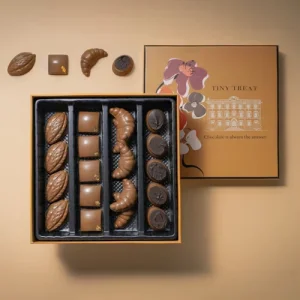
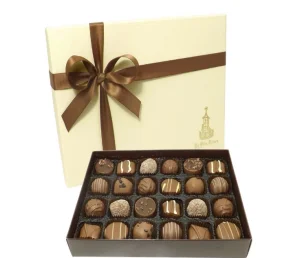
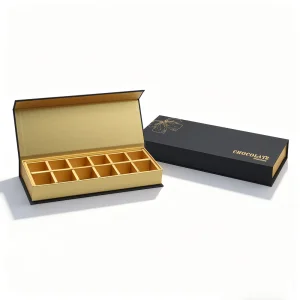
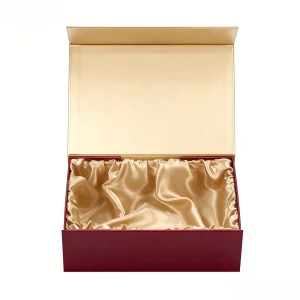
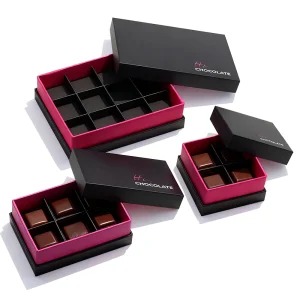
| Bespoke Art Paper + Rigid Grayboard | Ginza-Class Magnetic Truffle Gift Boxes | Recyclable (Under industrial separation) | High (Equipped with glassine separator) | Extraordinary structural memory |
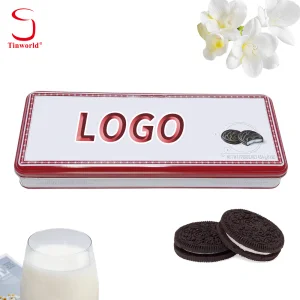
| High-Gloss / Matte Tinplate | Seasonal Biscuit & Assorted Praline Jars | Highly Recyclable (Metal Loop) | Superior (Airtight, anti-oxidation) | Drop-proof and reusable |
| Molded Sugarcane / PLA Inserts | Direct Chocolate Contact Trays | Compostable & Biodegradable | Optimal (Water and oil resistant) | High shock absorption |
Systemic Approaches to Automation, Cold-Chain Logistics, and Retail Ergonomics
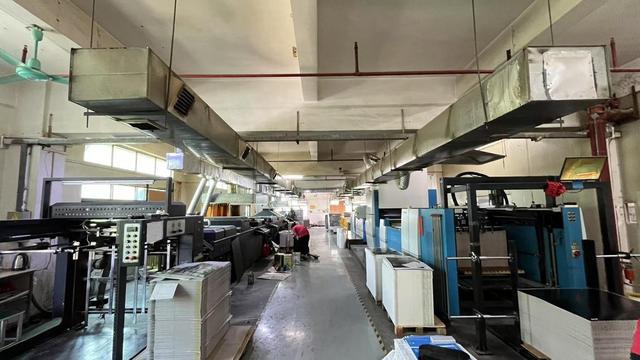
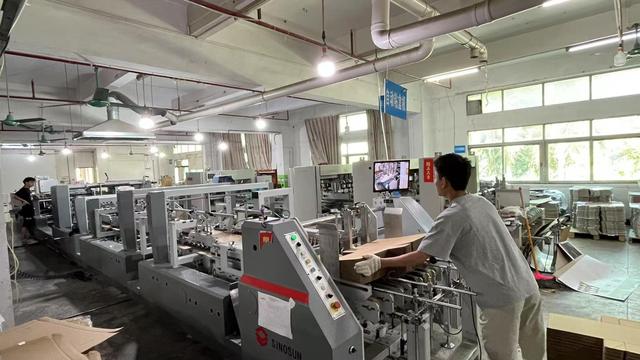
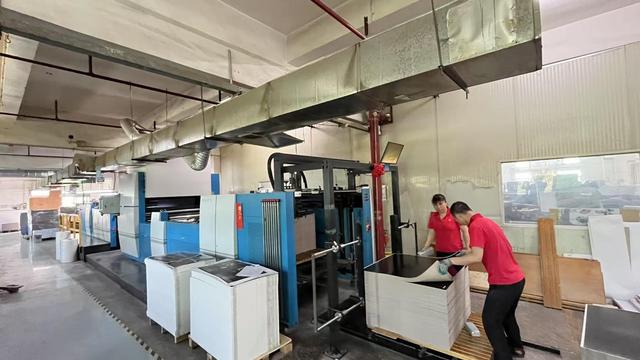
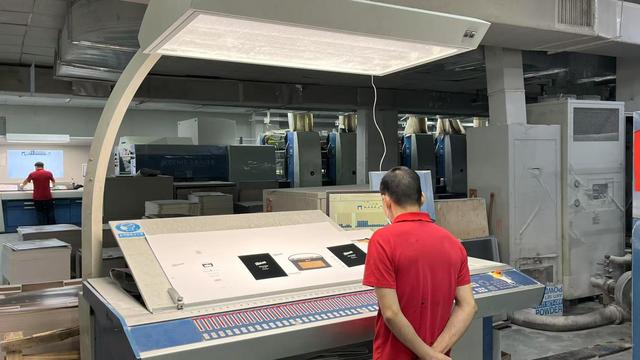
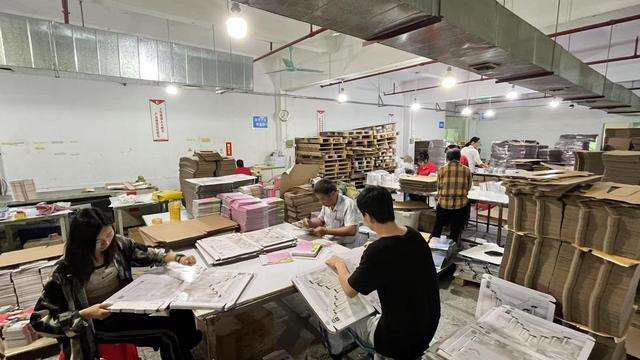
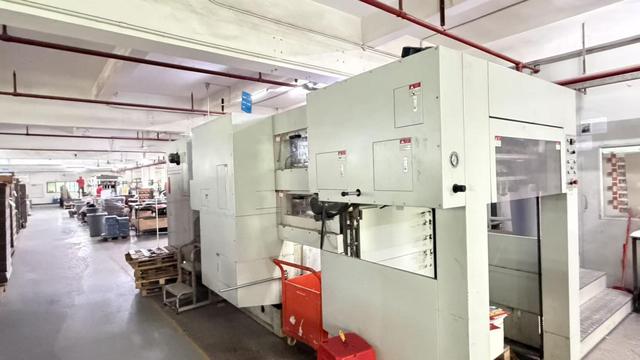
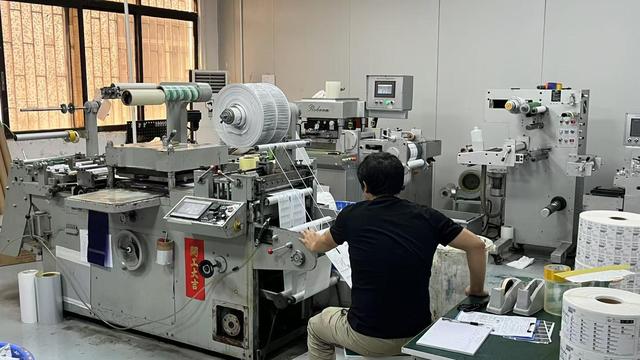
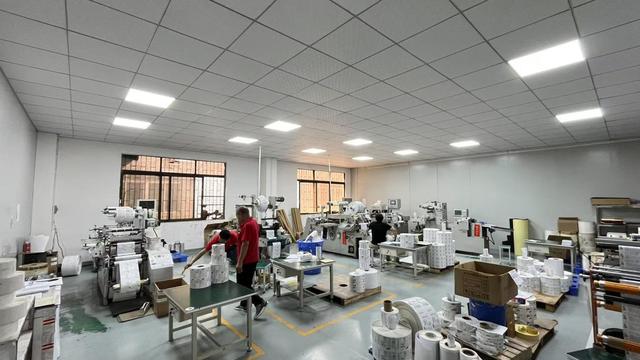
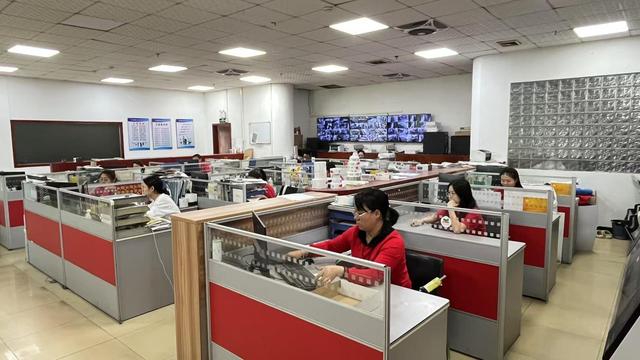
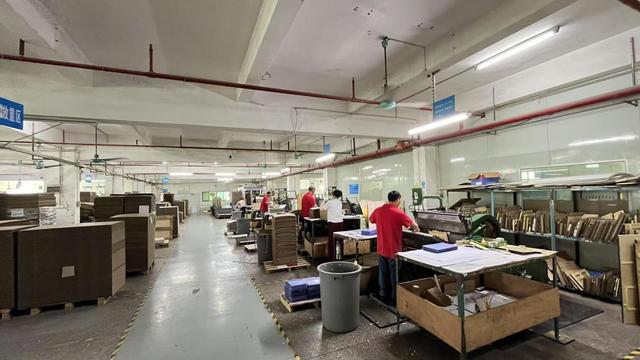
High-Precision Automated Facilities at Dongguan Nerd Packages Co., Ltd.
Operating from the advanced industrial hub of Dongguan, China, Dongguan Nerd Packages Co., Ltd. bridges the gap between cost-efficiency and premium quality. Our Factory 4.0 roadmap integrates automatic die-cutting, high-efficiency laminating, and automated box-wrapping machines with human craftsmanship for final inspection.
By controlling every stage—from CAD prototype plotting to final export logistics—we mitigate supply chain vulnerabilities. This allows Japanese brands to bypass local capacity bottlenecks during peak seasons (such as the build-up to Valentine's Day and Christmas).
Navigating Import Regulations, Environmental Laws, and Custom Inspections
Entering the Japanese market requires strict adherence to local regulatory frameworks. Dongguan Nerd Packages Co., Ltd. ensures all materials meet or exceed Japanese standards:
To streamline regional logistics, our customs clearance department prepares all required documentation (declarations of conformity, material analyses, and bills of lading) for ports like Yokohama, Tokyo, and Kobe.
Explore our technical variations from biodegradable structures to premium rigid book-style designs.
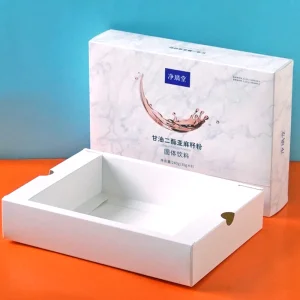
Consult with our engineering and regulatory compliance experts to finalize your structural designs, select raw materials, and arrange test samples.
Send Inquiry NowTechnical Answers Regarding MOQs, Materials, Food Compliance, and Custom Inserts
We source FDA-approved raw materials and test them through accredited third-party laboratories. We conduct material extraction tests to ensure our packages release no dangerous phthalates, heavy metals, or toxic organic compounds under standard storage conditions.
We control humidity and grease transfer by using special barrier materials. We select greaseproof paper, glassine inner wraps, and food-grade plastic/pulp trays. We can also integrate insulated dividers to help stabilize internal package temperatures.
For custom rigid boxes, our standard production MOQ is typically 1,000 units per design. Higher volumes optimize setup costs for automated die-cutting and box wrappers, reducing your unit price.
Yes. We offer fully plastic-free packaging using FSC-certified paperboards, paper-based inner trays, and window films made from wood pulp cellulose. This helps brands comply with Japan's Container and Packaging Recycling Law.
We use Heidelberger offset presses calibrated to ISO 12647 (FOGRA) standards. We support Pantone matching, digital proofs, and physical samples to ensure your branding remains consistent across all packaging.
Yes. Our engineering department designs boxes with tight dimensional tolerances (under 0.5mm). We align crease lines and specify board rigidity to ensure reliable feeding and wrapping on automated production equipment.
Pre-production proofing takes about 3 to 7 days. Mass production is usually completed in 15 to 25 days depending on structural complexity. Ocean freight to main Japanese ports (Tokyo, Osaka, Yokohama) takes approximately 5 to 9 days.
We use water-based, odorless adhesives and low-VOC hot melts. After assembly, our boxes pass through ventilated drying channels. This ensures no residual solvent vapors can alter the delicate flavor profile of your chocolates.
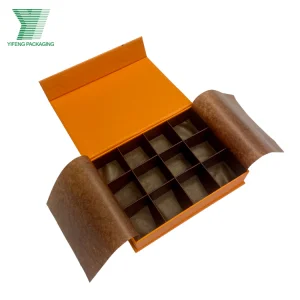
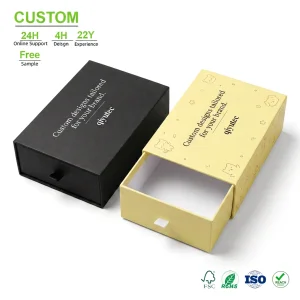
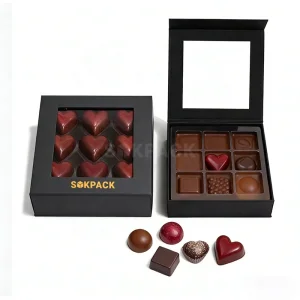
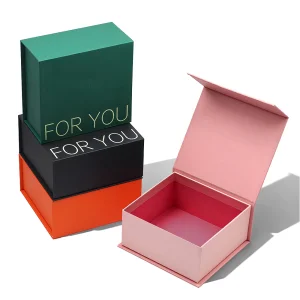
From space-saving book shapes to luxury drawer configurations, engineered for the Japanese market.
 Nerd Packages