In the modern global supply chain, protective packaging is no longer viewed as a generic commodity but as a highly engineered component of product delivery. As e-commerce platforms expand and manufacturing processes become increasingly precise, custom bubble wrap has evolved significantly. Advanced material science, environmental regulations, and shipping efficiency have pushed manufacturers to move beyond standard monolayer films toward complex, multi-layered protective structures.
Today's industry trends highlight a major shift toward high-barrier co-extruded films. Traditional bubble wrap often suffers from gradual air loss due to the permeability of standard low-density polyethylene (LDPE). To counteract this, modern manufacturers integrate nylon or ethylene vinyl alcohol (EVOH) co-extruded barrier layers. This modification restricts gas diffusion, ensuring that the bubbles retain their pressure, shape, and cushioning performance throughout extended global transits and multi-stage handling cycles.
Concurrently, sustainability has emerged as a key driver of technological innovation in the packaging sector. Brands worldwide are demanding circular economy compliance. In response, Chinese manufacturers are pioneering bubbles constructed with post-consumer recycled (PCR) content, bio-based polyols, and compostable aliphatic-aromatic co-polyesters like PBAT and PLA. These advancements ensure that enterprises do not have to choose between performance and carbon footprint reduction.
Information Gain Insight: Co-extruded bubble wrap containing a thin nylon core layer exhibits up to 100 times more resistance to air migration than conventional single-layer polyethylene bubble rolls. This translates directly to a lower damage rate during maritime transport and extended warehousing.
Procurement managers at multinational enterprises face complex challenges when sourcing protective packaging materials internationally. In addition to unit cost considerations, they must evaluate long-term variables including freight volume optimization, storage footprint, supply chain reliability, and localized compliance. Bubble wrap, due to its low density and high volume, incurs significant freight costs if shipped in a pre-inflated state over long distances.
To address this challenge, global procurement teams are transitioning to uninflated bubble film rolls and automated on-demand inflation systems. This methodology allows operations to store flat, uninflated film rolls that require only 1/50th of the storage space of pre-inflated rolls. These rolls are then inflated on-site at fulfillment centers. China-based suppliers have established strong partnerships with these firms by providing high-speed, reliable desktop and industrial-grade inflation machinery alongside compatible film rolls.
Moreover, enterprise-grade sourcing agreements demand high consistency. Inconsistencies in film thickness or bubble seal strength can lead to machine jams, film tears, and product damage. Leading Chinese exporters maintain tight tolerances on gauge thickness, offer customized perforation lengths to optimize packing speeds, and provide specialized options such as anti-static (ESD) coatings, adhesive-backed bubble layers, and co-extruded barrier layers for heavy-duty applications.
Protective packaging must adapt to the specific mechanical requirements of the product it protects. Different industries require specialized chemical formulations and physical structures to ensure safe delivery:
Integrated pink anti-static agents (surface resistivity of 10^9 to 10^11 ohms/sq) dissipate electrostatic charges, protecting sensitive semiconductors and PCBs from ESD damage during transport.
Combines high-barrier, non-scratch micro-bubble laminates with rigid outer boxes, ensuring protective insulation that preserves the aesthetic finish of luxury containers.
Foil-laminated metallized bubble bags reflect radiant heat while the air pockets provide thermal conduction resistance, maintaining cold-chain integrity for biologics.
By modifying bubble structures, suppliers can offer customized solutions. For example, large bubble profiles (1/2" height) provide excellent void-fill properties for heavy industrial components, while small bubble profiles (3/16" height) offer superior surface protection and wrap conformity for intricate glass, ceramic, or precision-machined elements.
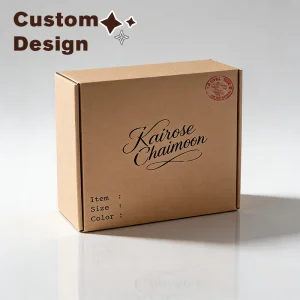
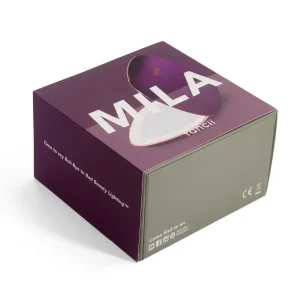
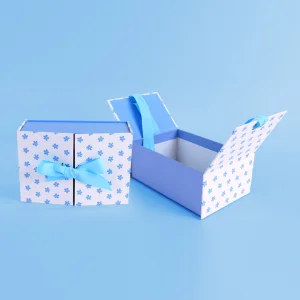
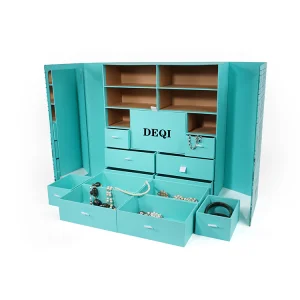
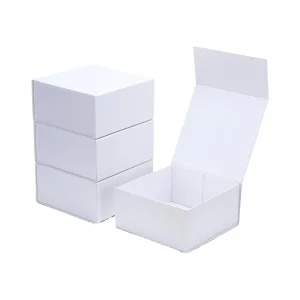
Sourcing custom protective packaging requires partners who can deliver both internal cushioning and premium outer packaging structures. Dongguan Nerd Packages Co., Ltd. is a professional gift box manufacturer specializing in the design, development, and production of luxury packaging solutions for global brands, retailers, wholesalers, and packaging distributors. The company focuses on delivering high-quality custom packaging products that combine functionality, visual appeal, and brand presentation across a wide range of industries.
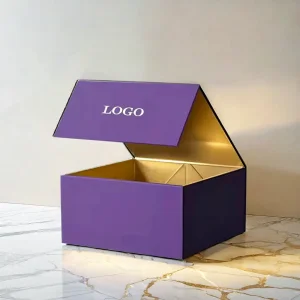
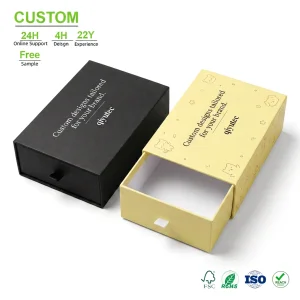
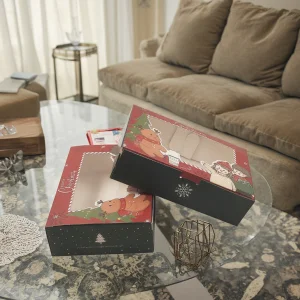
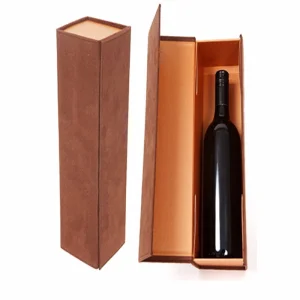
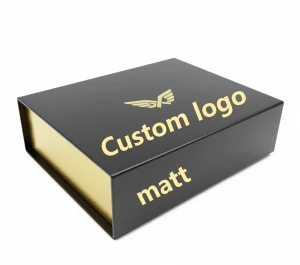
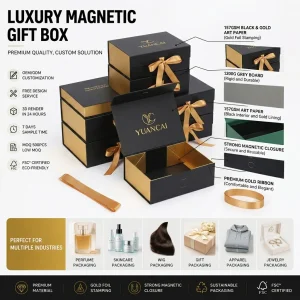
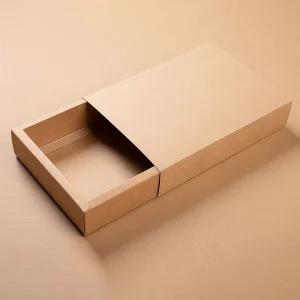
The company's product portfolio includes luxury gift boxes, rigid boxes, magnetic closure boxes, foldable gift boxes, custom printed packaging boxes, cosmetic packaging boxes, jewelry boxes, food packaging boxes, wine packaging boxes, retail packaging solutions, and promotional gift packaging products. These packaging solutions are designed to enhance product presentation, strengthen brand identity, and create memorable customer unboxing experiences. By integrating custom cushioning materials like bubble liners directly into these structures, clients receive fully optimized, drop-tested protective packaging systems from a single source.
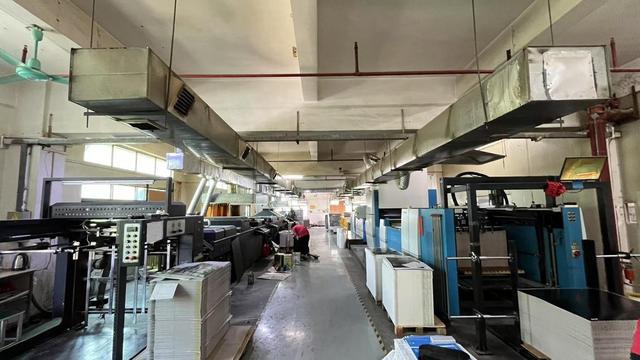
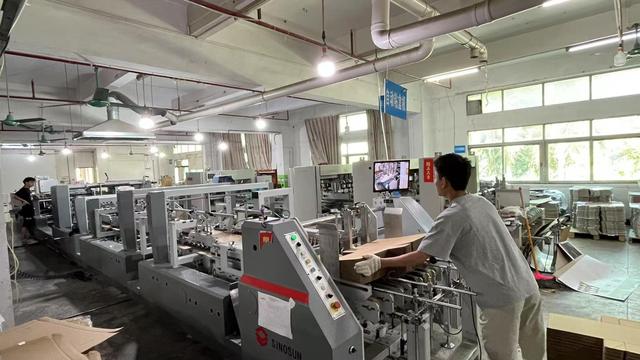
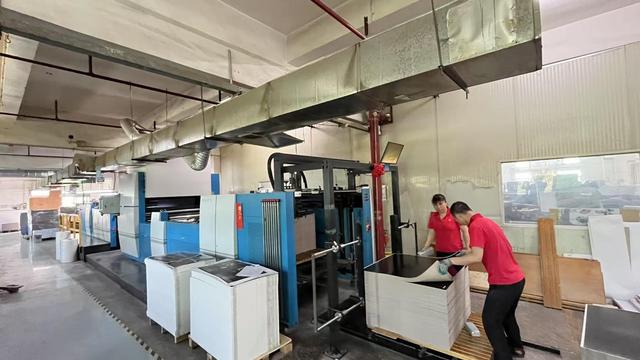
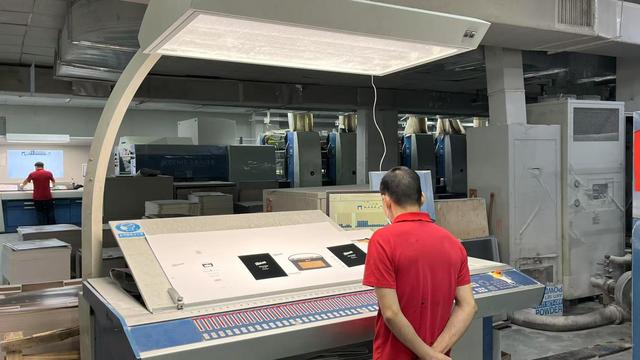
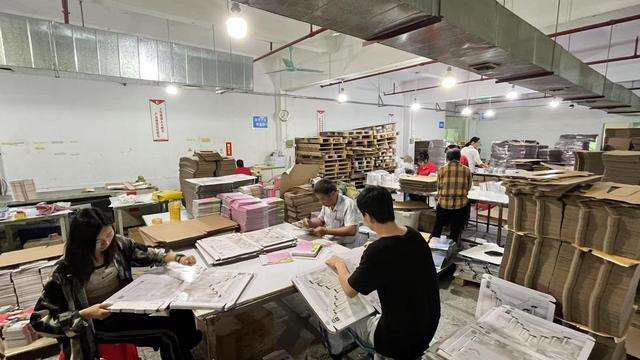
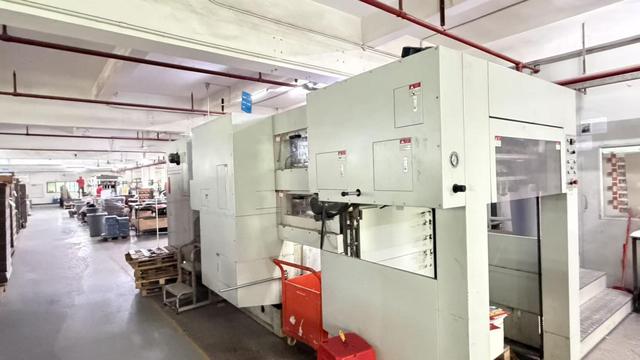
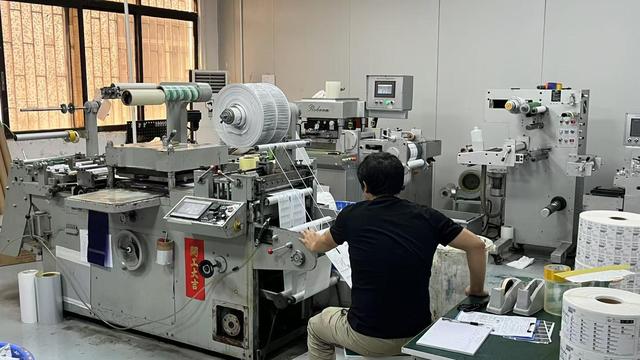
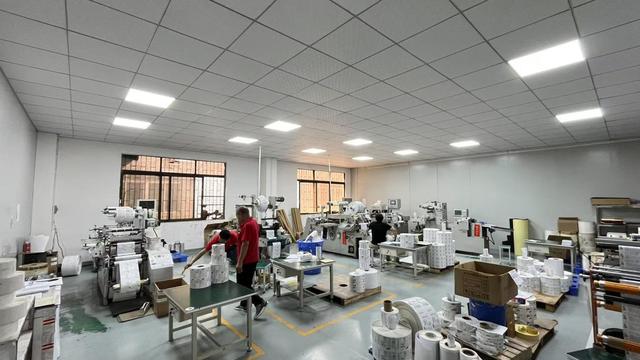
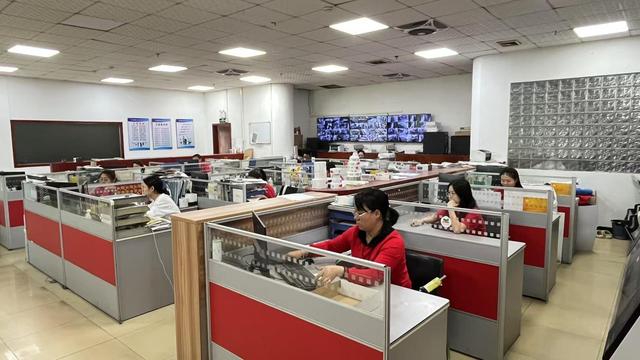
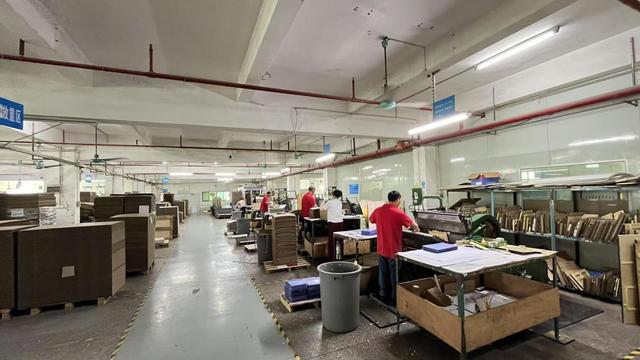
Dongguan Nerd Packages Co., Ltd. operates modern manufacturing facilities equipped with advanced printing, die-cutting, laminating, and finishing technologies. The company maintains strict quality control procedures throughout material sourcing, structural design, printing, assembly, and final inspection to ensure consistent product quality and production efficiency. A wide range of customization options is available, including specialty finishes, embossing, foil stamping, UV coating, and tailored packaging structures.
In addition to standard packaging solutions, the company provides comprehensive OEM and ODM services. Customers can customize dimensions, materials, artwork, branding elements, colors, inserts, and packaging styles according to specific market requirements and product positioning strategies. From packaging concept development and sample production to mass manufacturing and export logistics, the company offers integrated support throughout the entire project lifecycle, ensuring compliance with global logistics standards.
Shipping globally requires strict adherence to international environmental regulations, chemical directives, and transport safety metrics. Chinese exporters must ensure that all structural plastics and protective cushioning products comply with the European Union's Registration, Evaluation, Authorisation and Restriction of Chemicals (REACH) and Restriction of Hazardous Substances (RoHS) directives, certifying that all plasticizers, polymers, and colorants are free of heavy metals and hazardous substances.
For the North American market, custom bubble wraps must comply with ASTM (American Society for Testing and Materials) and ISTA (International Safe Transit Association) protocols. Compliance with ISTA 3A and 6-Amazon.com testing ensures that the protective packaging maintains its structural integrity under compression, vibration, drop impact, and temperature fluctuations.
To mitigate risk in long-distance logistics, leading exporters provide localized support networks. These services include:
The protective packaging industry is moving toward high-performance, low-impact solutions. Looking toward 2030, the technical roadmap for custom bubble wrap centers on two primary goals: extreme material minimization and smart capabilities.
Material scientists are developing nano-layered co-extrusion technologies that allow manufacturers to produce ultra-thin, high-strength films. By co-extruding up to 9 or 11 micro-layers, films can achieve superior tensile strength and puncture resistance while reducing plastic consumption by up to 30% compared to traditional bubble films.
Simultaneously, smart packaging technologies are beginning to merge with protective bubbles. Researchers are testing pressure-sensitive micro-capsules and color-changing polymers embedded directly into the bubble walls. If a package experiences drop impact or crushing forces beyond its threshold, the affected bubbles change color. This provides logistics handlers and recipients with clear, immediate evidence of potential internal damage before the package is opened.
Co-extruded barrier bubble wrap integrates a thin nylon or EVOH layer between polyethylene layers. This barrier layer prevents air from gradually leaking out of the bubbles under load. Standard monolayer bubble wrap, made of pure LDPE, is permeable to air and loses its cushioning capability over time, making it less suitable for long-distance shipping or extended storage.
Importing pre-inflated bubble wrap is costly because it takes up significant shipping volume. To reduce freight and storage costs, we recommend importing flat, uninflated bubble film rolls and inflating them on-demand at your fulfillment facility using compact, high-speed inflation machines.
Yes. Modern bio-based (PLA/PBAT) polymers and high-grade PCR (Post-Consumer Recycled) formulations are engineered to match the tensile strength, elasticity, and puncture resistance of virgin LDPE. This ensures reliable product protection while meeting environmental compliance standards.
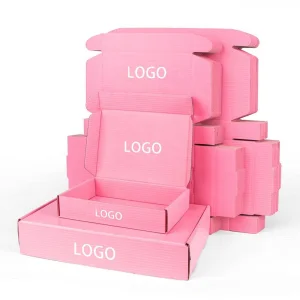
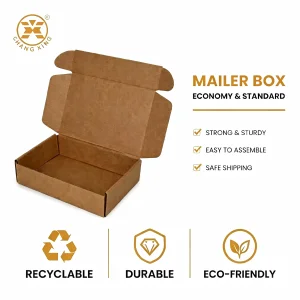
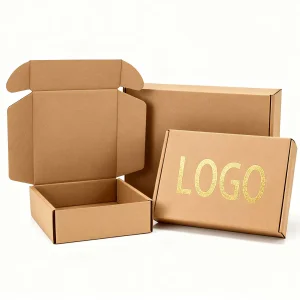
We design custom-fitted structural inserts. By combining our premium rigid, magnetic, and corrugated boxes with custom-shaped bubble pouches, anti-scratch bubble sheets, or foam laminates, we deliver an integrated packaging solution that provides both high-end aesthetic presentation and reliable transit protection.
Explore our modern manufacturing facilities. We implement strict quality control procedures across structural design, printing, die-cutting, laminating, and final packaging inspection.
 Nerd Packages