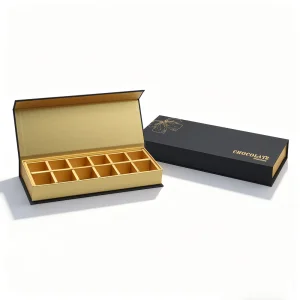
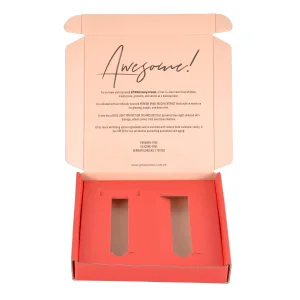
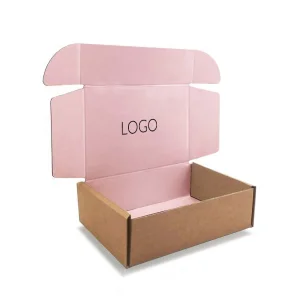
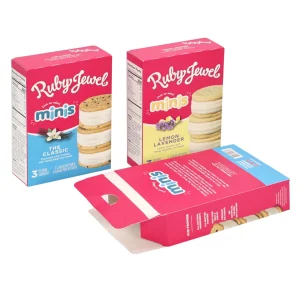
Explore our top-performing custom rigid, folding, and hybrid packaging designs engineered to reduce transit weight and logistics carbon footprints.
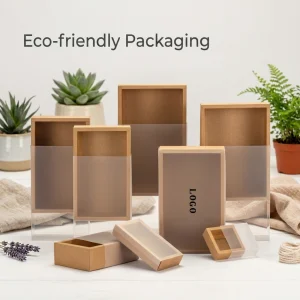
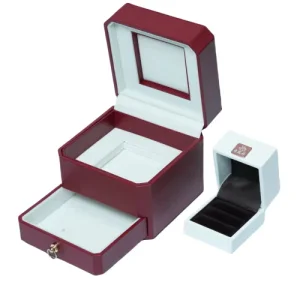
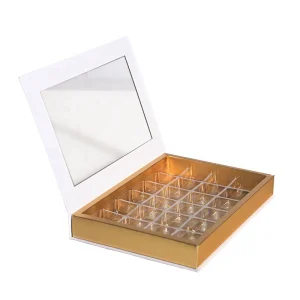
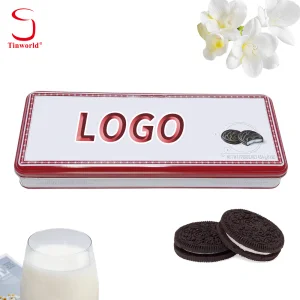
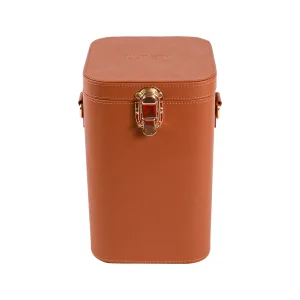
Analyzing global commercial demands, ecological imperatives, and the science of weight-optimized structures.
The global packaging paradigm is undergoing a massive transformation, shifting away from resource-heavy, bulky materials toward lightweight structural alternatives. This transition is not merely a design trend but a fundamental economic and environmental necessity. Driven by global supply chain volatility, escalating ocean and air freight rates, and international carbon tax penalties (such as the EU's Carbon Border Adjustment Mechanism), multinational enterprises are demanding packaging solutions that yield maximum strength with minimum mass. Historically, luxury packaging meant high density, massive rigid structures, and dense liners. Today, advanced materials science allows manufacturers to replicate the physical security and sensory luxury of traditional rigid boxes at a fraction of their shipping weight.
"Lightweighting is the strategic process of redesigning packaging structures to utilize less raw material by mass, without sacrificing the structural integrity, stacking strength, or protective barrier properties required for high-value consumer goods."
The term dematerialization lies at the heart of this revolution. By deploying thin, high-performance fibers, engineered corrugated fluting, and rigid paperboard composites, modern designers are engineering packaging systems that reduce volumetric weight (dimensional weight) as well as actual weight. For brands relying heavily on direct-to-consumer (DTC) fulfillment and global air shipments, a reduction of even 50 grams per package translates into millions of dollars in annual logistics savings. Moreover, from a life-cycle assessment (LCA) perspective, lightweight materials demand less energy during conversion, require fewer delivery vehicles on the road, and reduce downstream municipal solid waste management expenses.
Why modern global brands are shifting their packaging portfolio to lightweight, high-performance designs.
Utilizing high-tensile, low-caliper pulps to reduce physical weight while keeping premium box tactile stiffness.
Decreasing dimensional weight and actual mass to yield double-digit freight savings in air and ground cargo.
Fulfill stringent scope 3 emission standards, offering fully biodegradable, non-toxic circular lifecycle profiles.
When analyzing where to source high-performance lightweight packaging systems, China—specifically the industrial corridor of Dongguan—stands as the global epicenter of structural packaging excellence. Dongguan’s regional packaging cluster represents a complete, vertically integrated ecosystem that links raw material forestry and pulp manufacturing with advanced mechanical engineering, tooling fabrication, chemical ink formulation, and automated assembly operations. This high density of specialized vendors drastically reduces logistical friction and internal transport costs, giving Chinese manufacturers an unrivaled ability to move from initial CAD structural designs to physical prototype testing within 48 to 72 hours.
Furthermore, Chinese factory efficiency is driven by massive investments in automation. The integration of high-speed die-cutting machines, computerized automatic gluing systems, and robotic positioning arms allows for unprecedented precision. Unlike smaller regional manufacturers in Western markets, Chinese factories operate at economies of scale that absorb high setup costs, rendering custom product runs economically viable even at low and medium minimum order quantities (MOQs). This technological infrastructure allows firms like Dongguan Nerd Packages Co., Ltd. to design and export complex structural features—such as foldable magnetic rigid walls, custom paperboard inserts, and hybrid material sleeves—while maintaining competitive pricing models that outclass domestic suppliers in North America and Western Europe.
Lightweight packaging requires hyper-specific adjustments depending on the target industrial sector. Let us examine the three largest commercial segments:
| Material Configuration | Common Thickness Range | Tensile Strength Rating | Avg. Weight Reduction vs. Traditional | Primary Industrial Use Case |
|---|---|---|---|---|
| Ultra-Calendered SBS Cardboard | 0.3mm – 0.6mm | High | 25% – 35% | Luxury Cosmetics & Beauty Subscriptions |
| Micro-Flute Corrugated (F-Flute) | 0.8mm – 1.2mm | Very High | 30% – 45% | Consumer Electronics & E-Commerce Mailers |
| Recycled Kraft Board (Folding) | 0.4mm – 0.8mm | Medium-High | 40% – 50% | Food, Bakeries & Retail Gift Trays |
| Hybrid Paperboard with Tin/Metal Lid | Composite Variant | Exceptional | 15% – 25% | Confectionery, Biscuit Jars & Specialty Tea |
Dongguan Nerd Packages Co., Ltd. is a professional gift box manufacturer specializing in the design, development, and production of luxury packaging solutions for global brands, retailers, wholesalers, and packaging distributors. The company focuses on delivering high-quality custom packaging products that combine functionality, visual appeal, and brand presentation across a wide range of industries.
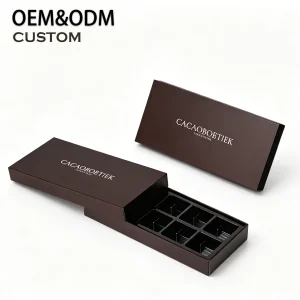
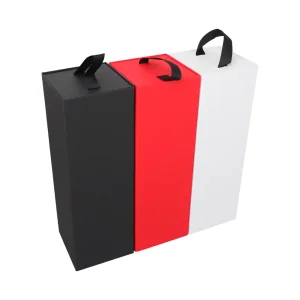
The company's product portfolio includes luxury gift boxes, rigid boxes, magnetic closure boxes, foldable gift boxes, custom printed packaging boxes, cosmetic packaging boxes, jewelry boxes, food packaging boxes, wine packaging boxes, retail packaging solutions, and promotional gift packaging products. These packaging solutions are designed to enhance product presentation, strengthen brand identity, and create memorable customer unboxing experiences.
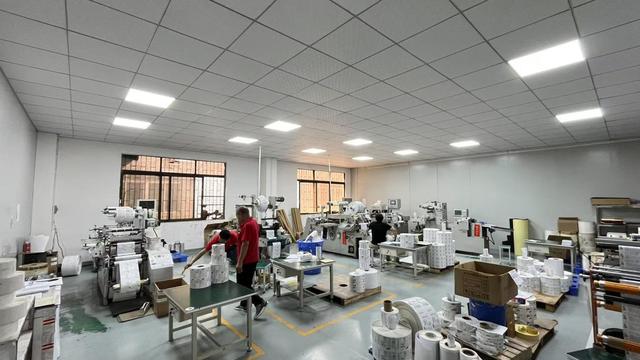
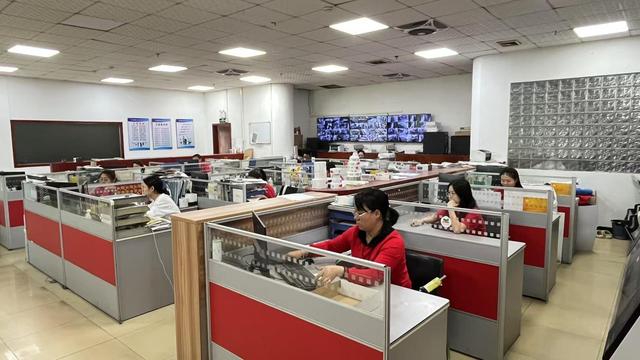
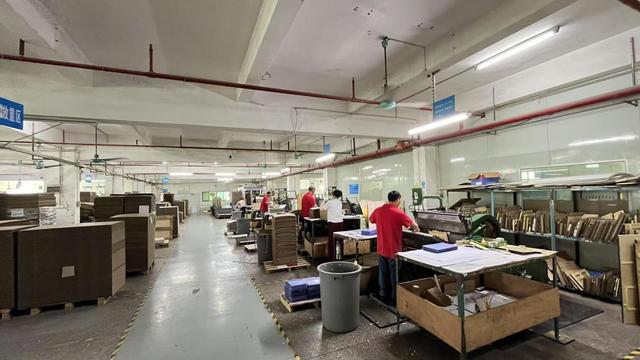
Dongguan Nerd Packages Co., Ltd. operates modern manufacturing facilities equipped with advanced printing, die-cutting, laminating, and finishing technologies. The company maintains strict quality control procedures throughout material sourcing, structural design, printing, assembly, and final inspection to ensure consistent product quality and production efficiency. A wide range of customization options is available, including specialty finishes, embossing, foil stamping, UV coating, and tailored packaging structures.
In addition to standard packaging solutions, the company provides comprehensive OEM and ODM services. Customers can customize dimensions, materials, artwork, branding elements, colors, inserts, and packaging styles according to specific market requirements and product positioning strategies. From packaging concept development and sample production to mass manufacturing and export logistics, the company offers integrated support throughout the entire project lifecycle.
Committed to innovation, quality, and customer collaboration, Dongguan Nerd Packages Co., Ltd. continues to provide premium gift box manufacturing solutions that support brands in retail, cosmetics, food, jewelry, corporate gifting, and luxury packaging markets worldwide.
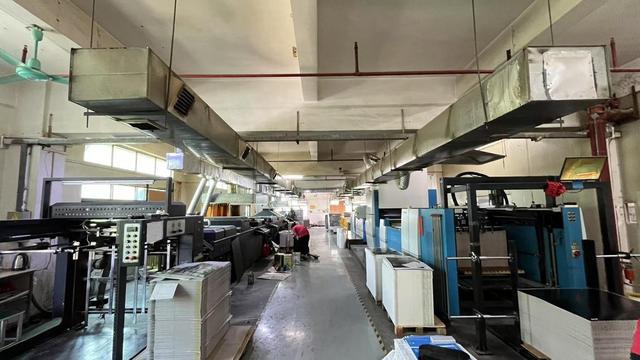
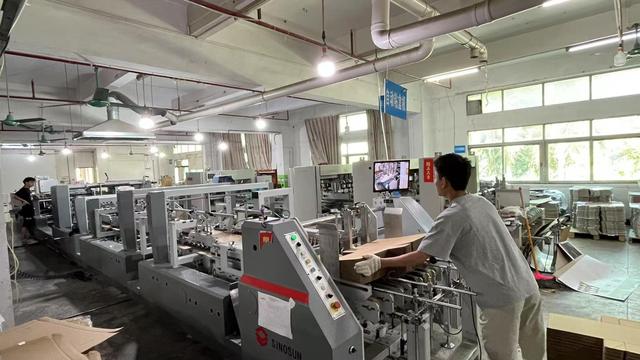
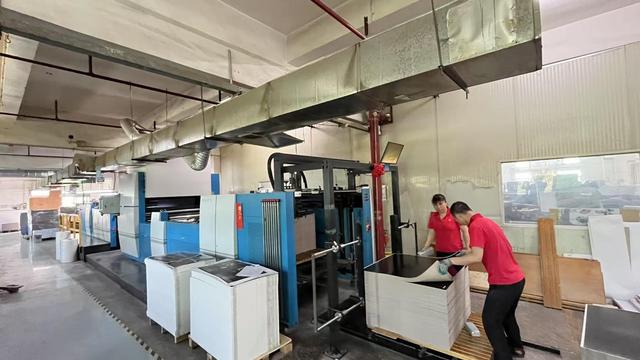
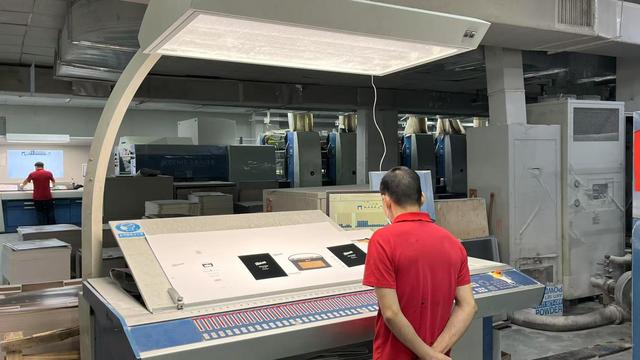
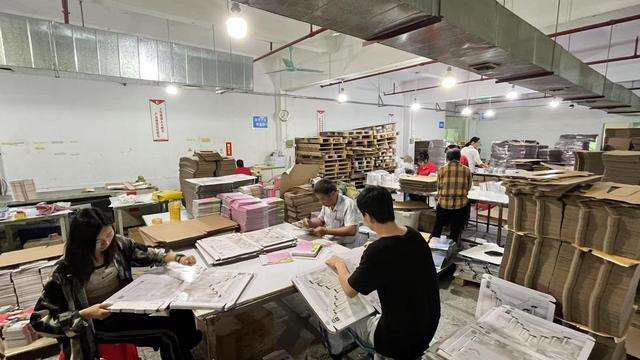
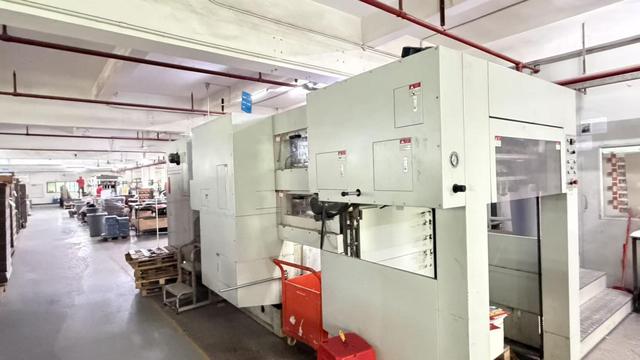
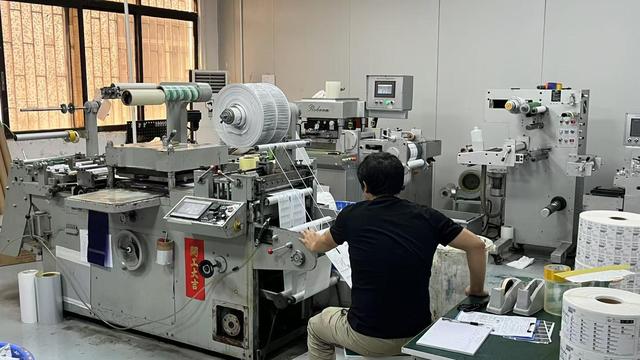
As the international community converges on rigid environmental standards, packaging manufacturers are investing deeply in research and development to align with circular economic systems. The following trends represent the frontline of lightweight packaging innovation:
1. Mono-Material Construction: Sorting materials at standard waste facilities poses a significant challenge to the recycling industry. When plastic, metal, and cardboard are fused together, the cost to separate them makes reclamation financially unfeasible. Smart packaging centers on Mono-Material engineering—producing boxes, trays, buffers, and closures from a single material source (such as 100% natural cellulose). Under this system, the end consumer can toss the complete pack directly into the domestic paper recycling bin without manual disassembly.
2. Bio-Composites and Natural Binders: The reduction of petroleum-based polymers and synthetic adhesives is a critical objective. Leading Chinese research centers are developing organic starches, corn-derived adhesives, and agricultural by-product fibers (such as sugarcane bagasse, wheat straw, and bamboo pulps) to replace traditional wood pulp. These crops mature significantly faster than coniferous or broadleaf trees, ensuring a sustainable, rapidly renewable material source that naturally matches the performance profiles of standard folding boards.
3. Intelligent Structural Optimization: Advanced CAD tools and structural stress simulators allow engineers to perform Finite Element Analysis (FEA) on packaging structures. Just as aerospace engineers simulate wind resistance on aircraft wings, structural designers can test drop impacts, weight loads, and corner shear pressures on simulated boxes. By knowing where a container absorbs the highest physical stress during transport, engineers can reinforce specific nodes while stripping excess caliper thickness from lower-stress regions—optimizing strength parameters while minimizing physical product weight.
Expert answers regarding structural parameters, procurement mechanics, and technical options for custom lightweight packaging.
Generally, lightweight packaging optimizes material thickness (caliper) and basis weight (grams per square meter or GSM) while keeping equivalent bursting and crushing resistance. By substituting standard heavy solid boards with advanced multi-layered micro-flute corrugated structures or thin SBS paperboard composite matrices, we reduce packaging mass by 20% to 50% without compromising protective performance.
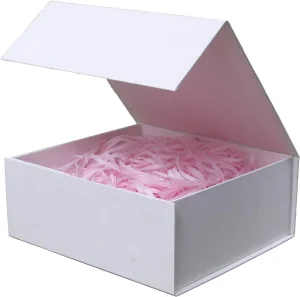
No, not when executed by professional engineers. Through structural design methods like collapsible side-walls, hidden magnetic locks, and specialized varnishes or soft-touch laminations, we preserve the premium unboxing aesthetic. V-grooving processes on lighter boards yield sharp, clean edges that convey luxury while keeping overall shipping weight low.
Dongguan offers a fully integrated packaging manufacturing ecosystem. This proximity minimizes raw material transport times and costs, and provides access to advanced automated die-cutting, gluing, and coating machinery. This allows for lower per-unit assembly costs, faster prototyping cycles, and economical freight access to key shipping ports like Shenzhen and Guangzhou.
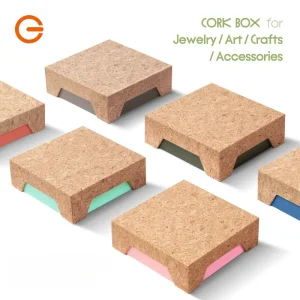
We design and manufacture bio-degradable molded pulp trays, die-cut corrugated inserts, and natural cork or sponge elements. These alternatives are derived from renewable, circular-friendly materials that fit the structural design of the box, providing protection without the carbon footprint of traditional plastics.
Yes. Through our comprehensive OEM and ODM support services, clients can customize every structural and graphic parameter—including dimensional measurements, board weights, interior structural inserts, soy ink graphics, embossing, spot UV varnishes, and custom magnetic lids.
Our quality control protocols include drop testing, compression tests to evaluate stackable weight limits, bursting strength tests, and moisture resistance evaluations to protect against relative humidity changes during international transit.
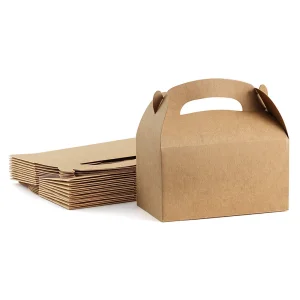
Review our specialized array of folding, collapsible, and food-safe custom solutions constructed for global commercial standards.

 Nerd Packages