How to Create Memorable Unboxing Experiences?

Time:2026-09-26 Author:Oliver
0%

An unboxing begins before the lid opens. A sturdy mailer, a clean fold, and a personal note can make an ordinary delivery feel considered. The sound of tissue paper, the first glimpse of a product, and the ease of removing each layer all shape the experience. Small details matter. So does restraint.

The business case is worth noting. PwC’s 2018 Future of Customer Experience survey found that 73% of consumers considered customer experience an important factor in purchasing decisions. Dotcom Distribution’s 2016 Packaging Matters study reported that 52% of surveyed consumers were more likely to make a repeat purchase after receiving premium packaging. These findings suggest packaging can support loyalty, though results vary by audience, product, and expectations.

So, how to create memorable unboxing experiences without adding waste or unnecessary cost? Start with the customer’s actual delivery: protect the product, make packaging easy to open, and choose materials that fit the brand and its sustainability goals. A handwritten note may feel thoughtful for a small order, but it can become impractical at scale. That trade-off deserves attention.

Memorable does not have to mean elaborate. A neat insert, a useful care card, or a surprising color inside the box may be enough. The best design feels intentional from doorstep to product. It also works on a rushed Tuesday, not only in a polished unboxing video.
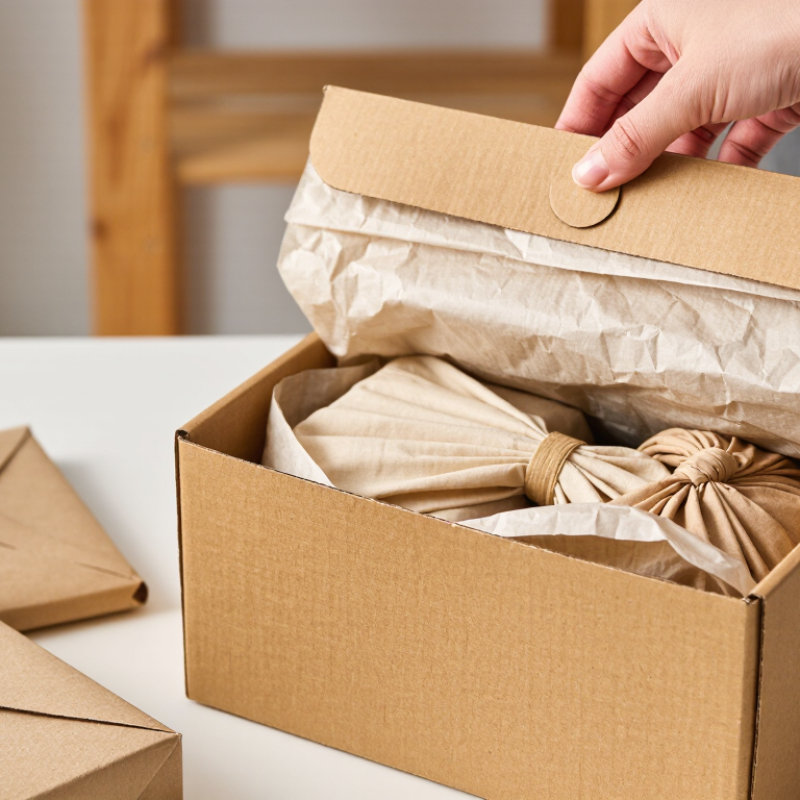
How to Create Memorable Unboxing Experiences?

Define the Audience and Brand Promise Before Planning the Unboxing

Before planning an unboxing, define who is opening the parcel and what the brand promises them. A first-time buyer may need reassurance and clear instructions; a repeat customer may value speed and less waste. Write the promise in plain language, such as “carefully made, easy to use, and thoughtfully packed.” Then check each element against it: the outer carton, tissue, insert, and first product reveal. A handwritten note feels warm, but it can seem out of place if the brand promise is practical simplicity.

Industry research offers useful context. In its 2018 Packaging Matters study, Ipsos reported that 72% of consumers said packaging design influenced their purchase decisions. Dotcom Distribution’s 2016 eCommerce Packaging Study found that 40% of surveyed consumers would share an image of a delivery if it arrived in unique branded packaging. These findings suggest packaging can shape both perception and sharing, but neither statistic tells you what your particular audience wants.

Test with real customers. Ask what felt useful, confusing, or excessive.

Make the test tangible: place the parcel on a kitchen counter, open it with one hand, and notice what appears first. Small details matter. Does the insert explain the next step, or merely repeat a slogan? Does the packaging protect the item without making disposal a chore? Teams sometimes add another layer because it looks premium in a mock-up. That may be the wrong call. A neat, lighter unboxing can better match a promise of care.

Design the Reveal: 72% Say Packaging Influences Purchases (P&P Board, 2016)

A package is often the first physical moment a customer has with a product. In a 2016 survey cited by P&P Board, 72% of respondents said packaging influenced their purchases. That figure is a useful signal, not a guarantee: it reflects one survey at one point in time. Still, it shows why the reveal deserves careful design. A sturdy mailer, a clean opening seam, and a product held securely can communicate care before anything is switched on or worn.

Think through the customer’s hands, not just the camera angle. Can they open the box without hunting for scissors? Does the item appear neatly arranged when the lid lifts? A folded paper sleeve, a small note, or a restrained color contrast can make the moment feel considered without adding clutter. Keep protective materials practical; a beautiful display is frustrating if the product arrives loose or difficult to reach. Test the package with people who have never seen it before. Watch where they pause. Listen to what they say.

Some details may miss. A ribbon can snag, and an elaborate insert can feel wasteful. That is worth noticing. Packaging should support the product, fit its journey, and make the customer feel confident about the purchase—not simply look impressive in a photograph.

How to Create Memorable Unboxing Experiences? — Design the Reveal: 72% Say Packaging Influences Purchases (P&P Board, 2016)
Dimension Data or design guidance Interpretation
Packaging and purchase decisions 72% say packaging influences purchases. Packaging can be part of the product decision, not just a way to protect what is inside.
First impression Use a clean exterior, legible information, and a considered opening. Make the parcel feel intentional before the recipient opens it.
Reveal sequence Arrange the contents so the main item is revealed first, with inserts placed in a clear order. A deliberate sequence can make opening easier to follow and more engaging.
Protection and fit Choose packaging that fits the item and use suitable cushioning where needed. A polished reveal should also keep the contents secure in transit.
Ease of opening Make closures easy to understand and avoid unnecessary layers. Reduce friction so the recipient can reach the product without a struggle.
Materials and disposal Select materials appropriate to the product and provide clear disposal guidance when useful. Consider the package’s use and end-of-life alongside its appearance.
Source for the 72% figure: P&P Board (2016), as cited in the supplied title. Other entries are practical design guidance, not additional survey statistics.

Choose Premium Touchpoints: 40% More Likely to Reorder (Dotcom, 2016)

Unboxing begins before the product is touched. A sturdy mailer, clean tissue, and a small card can make an ordinary delivery feel considered. Dotcom Distribution’s 2016 e-commerce packaging study reported that consumers were 40% more likely to reorder from retailers offering premium packaging. Treat this as a reported finding, not a promise: the study is dated, and the result may not apply equally across product categories.

Premium does not have to mean elaborate. A box that fits closely, opens without a struggle, and protects the item from dents shows care in practical ways. A soft paper texture or neat fold adds a tactile detail. But excess filler can look wasteful. I still find that balance easy to get wrong. Packaging should feel special while remaining useful, accessible, and easy to recycle. Check customer feedback and damage rates alongside repeat orders; appearance alone cannot prove the experience is working.

Tips: Test the opening with real customers. Use one clear moment of delight, such as a printed message beneath the lid. Keep inserts brief, and review whether customers actually keep or reuse them.

Select Sustainable Materials: 66% Willing to Pay More (Nielsen, 2015)

A memorable unboxing begins before the lid opens. The weight of a paper sleeve, the soft rasp of recycled tissue, and a neatly fitted insert can make a package feel considered. Sustainable materials can support that experience, but only when they protect the product and remain easy to handle.

A 2015 Nielsen survey reported that 66% of global respondents were willing to pay more for products and services from companies committed to positive social and environmental impact. That figure is useful context, not proof that shoppers will pay more for sustainable packaging alone. Preferences vary, and the survey is not recent. Still, it suggests environmental responsibility can matter to purchasing decisions.

Choose materials with clear, practical roles. Recycled paperboard can replace oversized plastic trays, while molded pulp may keep fragile items steady in transit. Keep the opening simple: a paper tab is often easier to lift than layers of tight tape. Test the package with real shipments, not just a clean desk prototype. Recycled fibers can vary in strength, and a beautiful insert is pointless if it arrives crushed. There’s room to improve. Ask customers whether the packaging felt protective, easy to recycle, and worth keeping. Their answers may challenge your assumptions.

Test and Refine: Track Damage, Repeat Orders, and Customer Feedback

Memorable unboxing is not just about tissue paper and a tidy box. It is also a testable part of order quality. Track damage by product, carrier, packaging type, and delivery zone. Photograph crushed corners, split seams, and scuffed items. Small clues matter. A monthly damage rate can reveal whether a heavier mailer helps—or merely adds cost.

Repeat orders provide another signal, but do not credit packaging alone. Compare customers receiving different, carefully controlled packaging versions, while keeping product and delivery conditions similar. Dotcom Distribution’s 2016 Packaging Matters study reported that 40% of surveyed consumers were more likely to reorder from a retailer using premium packaging. Treat that result as a useful benchmark, not a guarantee: the study is dated, and preferences vary. Look at your own repeat-purchase rate over a meaningful period.

Ask customers one specific question after delivery: “Was anything damaged, difficult to open, or surprisingly helpful?” Pair responses with return reasons and support tickets. A quick survey may miss quieter customers. That is a limitation. Review comments for recurring details, such as loose items rattling or tape tearing the carton. Test one change at a time, then compare damage, feedback, and repeat orders. If results conflict, pause before declaring a winner. The packaging may be better, but the product experience may still need work.

How to Create Memorable Unboxing Experiences?

Test and Refine: Track Damage, Repeat Orders, and Customer Feedback

Illustrative sample results show damage rates declining while repeat orders and positive customer feedback rise across successive test rounds. Track these measures after each packaging change to identify improvements worth keeping.

FAQS

Why should you define the audience before designing an unboxing?

A first-time buyer may need clear instructions, while a returning customer may prefer less packaging. Start with what each person needs.

What should the packaging communicate?

Use a plain promise, such as “carefully made and easy to use.” Check that the carton, tissue, and insert support it.

How can you test the opening experience?

Put a parcel on a kitchen counter and open it with one hand. Notice what appears first and whether anything feels confusing.

Does premium packaging need many layers?

No. A sturdy box, neat tissue, and a small card can feel thoughtful. Extra filler may look wasteful.

What makes a package feel satisfying to open?

A close-fitting box and an easy-to-lift paper tab can make a practical difference. A printed note beneath the lid adds a small reveal.

How should you choose sustainable materials?

Consider recycled paperboard or molded pulp when they protect the product. Test real deliveries; recycled fibers can vary in strength.

How can you tell if an insert is useful?

Check whether it explains a next step or answers a real question. A slogan alone may not help much.

What should you review after shipping?

Ask customers whether the parcel felt protective and easy to recycle. Compare their feedback with damage and repeat-order patterns. Looks can mislead.

Conclusion

Learning how to create memorable unboxing experiences begins with understanding who will receive the package and what the product experience should promise. That clarity helps shape each step, from the outer packaging to the moment the product is revealed. A thoughtful reveal can make opening a delivery feel engaging rather than routine. Research cited in the outline found that 72% of consumers said packaging influences their purchases, underscoring how presentation can affect perception and buying decisions.

Choose premium-feeling details that suit the audience and product, while keeping comfort and practicality in mind; one cited finding suggests these touches may make customers 40% more likely to reorder. Sustainable materials can also strengthen the experience, especially since 66% of consumers were reported as willing to pay more for sustainable products. Finally, test the packaging in real conditions and refine it using damage rates, repeat orders, and customer feedback. This ensures the unboxing is appealing, reliable, and aligned with customer expectations.

Oliver

Oliver

Oliver is a seasoned marketing professional with a wealth of expertise in driving brand awareness and engagement. With a deep understanding of our company's product offerings, he consistently delivers high-quality content that enriches our professional blog. His insights not only shed light on......