Why Choose the Right Gift Box for Global Buyers?
A gift box is more than a container. It is the first physical message a customer receives. Before opening the lid, buyers notice its color, texture, weight, and construction. These details can influence trust across different markets.
William Pilditch, a pioneering packaging designer, famously observed, “Packaging is the silent salesman.” His words remain relevant for international gift brands. A well-chosen box can communicate quality without adding unnecessary language. However, a weak design may suggest careless production, even when the product inside is excellent.
This guide explores how to choose the right gift box for global buyers. It considers product protection, shipping efficiency, cultural preferences, presentation, and practical usability. A rigid magnetic box may create a premium impression. A recyclable folding carton may reduce storage space and transport weight. Neither option is automatically better. The right choice depends on the product, audience, budget, and delivery conditions.
Small details matter. A ribbon can improve presentation, but it may complicate packing. A dark finish can look elegant, yet it may reveal scratches during transport. Bright colors may attract attention, but their meanings can differ between regions. There is no perfect formula.
Experience often teaches what a specification sheet misses. Boxes can arrive crushed, lids can fit too tightly, and beautiful samples can fail during long-distance shipping. These risks deserve honest testing before large production runs.
The following sections offer a practical framework for choosing gift packaging that looks appealing, travels safely, and earns buyer confidence.
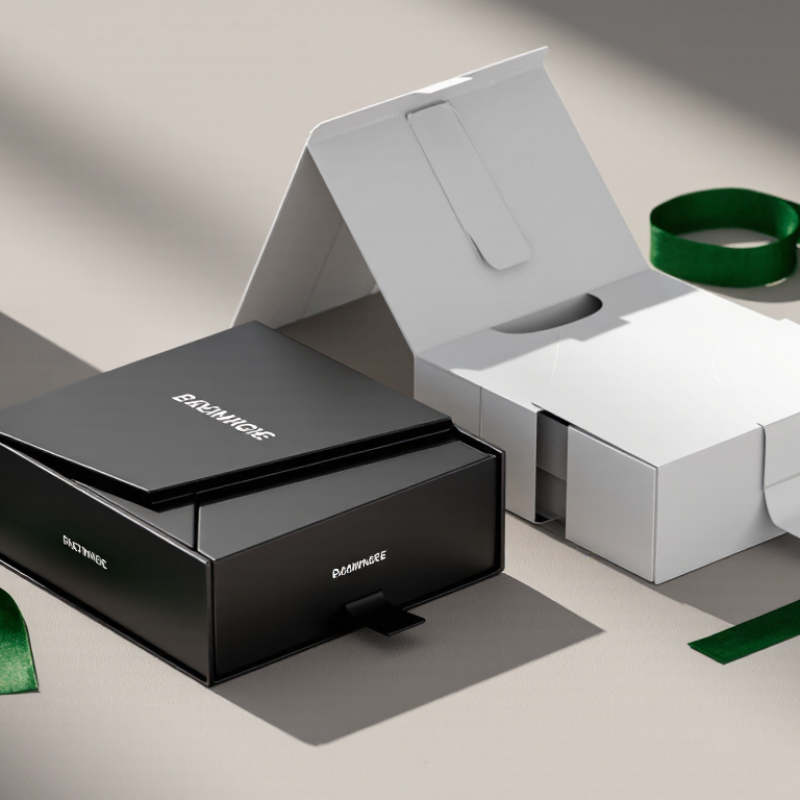
A suitable gift box must survive distance before it creates excitement. It should protect the product, reduce empty space, and remain easy to open. Global buyers also notice weight, recyclability, and visual clarity. PwC’s Voice of the Consumer Survey 2024 found that 46% of consumers are buying more sustainable products. That preference affects packaging choices, especially for younger online shoppers. A lightweight box with recycled board, water-based printing, and minimal plastic can support this expectation. However, sustainability claims require evidence. Vague green language may weaken trust.
Practical testing matters more than attractive mock-ups. Measure compression strength, moisture resistance, corner protection, and damage rates during real shipments. A box should fit common courier dimensions without excessive filler. It should also use neutral symbols and simple opening instructions, because colors and messages do not carry the same meaning everywhere. McKinsey and NielsenIQ’s 2023 analysis found products with ESG-related claims achieved 28% cumulative growth over five years, compared with 20% for products without such claims. The figure is useful, but packaging alone cannot create loyalty. A beautiful box can still fail after one crushed corner. Test it. Then improve it.
Why Choose the Right Gift Box for Global Buyers?
How to Identify Different Market and Customer Requirements
Choosing a gift box for global buyers requires more than attractive colors and a smooth finish. Market research should examine product size, shipping distance, climate, and customer habits. A box designed for dry weather may soften during humid transport. Strong corners matter when parcels pass through several warehouses.
Customer expectations also differ by region and income level. Some buyers prefer minimal packaging and recyclable paper. Others value magnetic closures, layered inserts, or a premium unboxing experience. Ask practical questions before production: What will the box hold? Who will receive it? How long will customers keep it? A small survey, sales interview, or sample test can reveal useful details.
Language and accessibility deserve careful attention. Printed instructions should be clear, culturally suitable, and easy to read. Measurements must match local preferences, while labels should support relevant recycling and packaging requirements. In my experience, prototypes expose problems that digital designs hide. Our first sample looked elegant, but the lid opened inside a delivery carton. We changed the fit and added a simple paper sleeve.
I have also misread a market by assuming luxury meant heavier materials. Many customers wanted a refined appearance without unnecessary weight. That mistake affected shipping costs and customer feedback. Testing two or three box versions with real users gives stronger evidence than personal taste. Keep records of damage, return reasons, opening time, and repeat orders. These details help buyers choose packaging that fits actual customers, not imagined ones.
| Target Market | Typical Buying Occasion | Preferred Gift Box Style | Key Customer Expectations | Material and Sustainability Requirements | Important Size and Packaging Considerations | Recommended Customization | Purchase Priority |
|---|---|---|---|---|---|---|---|
| North America | Birthdays, holidays, corporate gifting, subscription gifts | Rigid magnetic boxes, two-piece boxes, drawer boxes, premium mailer boxes | Convenience, attractive unboxing, strong presentation, easy online delivery | Recyclable paperboard, recycled content, soy- or water-based inks, minimal plastic | Lightweight construction and compact dimensions help control parcel shipping costs; protective inserts are important for e-commerce | Printed sleeves, logo embossing, thank-you cards, removable inserts, gift-ready shipping design | High |
| Western Europe | Christmas, weddings, anniversaries, premium retail and corporate gifts | Minimalist rigid boxes, folding cartons, reusable presentation boxes | Refined design, traceable materials, responsible production, premium tactile finish | Paper-based packaging is strongly preferred; avoid unnecessary plastic laminates and use recyclable components where possible | Clear material separation and accurate packaging information support recycling; compact packaging reduces transport volume | Embossing, debossing, natural textures, muted colors, multilingual care and recycling information | High |
| United Kingdom | Christmas, Mother's Day, weddings, online retail and corporate events | Book-style boxes, magnetic closure boxes, premium postal gift boxes | Elegant appearance, practical delivery, clear product information, reliable protection | Recyclable paperboard and plastic reduction are important; packaging should support household recycling practices | Postal-friendly dimensions, secure closures and moisture-resistant outer packaging are useful for home delivery | Seasonal colorways, ribbon alternatives, personalized message cards and recyclable inserts | High |
| Japan | Seasonal gift-giving, weddings, anniversaries, family visits and business courtesy gifts | Precisely finished two-piece boxes, elegant folding boxes, compartmentalized gift boxes | Neatness, craftsmanship, balanced proportions, orderly presentation and respectful aesthetics | Clean paper surfaces, high-quality board, low-odor inks and carefully finished edges are valued | Precise fit is essential; individual wrapping, dividers and compact layered presentation may be required | Subtle patterns, restrained colors, refined paper textures, seasonal motifs and high-precision printing | High |
| South Korea | Birthdays, anniversaries, weddings, holidays and beauty-related gifting | Compact rigid boxes, drawer boxes, coordinated gift sets and aesthetically styled cartons | Modern visual appeal, social-media-friendly presentation, compactness and premium details | Recyclable paper materials and reduced excess packaging are increasingly important to younger consumers | Small, well-organized compartments are suitable for cosmetics, accessories and curated product sets | Contemporary graphics, foil accents used selectively, custom inserts and coordinated outer packaging | High |
| China | Spring Festival, Mid-Autumn Festival, weddings, business gifting and social celebrations | Rigid set-up boxes, folding gift boxes, multi-compartment boxes and premium hamper boxes | Strong visual impact, auspicious presentation, gift-set organization and premium perceived value | Paper-based packaging and material reduction are gaining importance, particularly for large seasonal gift sets | Multiple product compartments, sturdy construction and efficient stacking are important for large-volume distribution | Seasonal artwork, symbolic colors, custom trays, bilingual information and serialized packaging options | High |
| Southeast Asia | Festivals, weddings, religious celebrations, birthdays and corporate events | Folding cartons, affordable rigid boxes, hamper boxes and reusable fabric- or paper-wrapped boxes | Good visual value, affordability, cultural suitability and resistance to humid conditions | Moisture-resistant paper finishes may be needed; recyclable materials and reduced plastic are increasingly preferred | Consider humidity, storage conditions and long-distance transport; ventilation or protective wrapping may help for sensitive products | Local-language printing, festive patterns, practical handles, protective inserts and culturally appropriate colors | High |
| Middle East | Ramadan, Eid, weddings, religious occasions and premium hospitality gifting | Luxury rigid boxes, hinged-lid boxes, magnetic boxes and presentation cases | Luxury appearance, generous presentation, cultural sensitivity and strong product protection | Premium paperboard, fabric-free recyclable alternatives and durable finishes are suitable for high-end gifting | Robust structure is useful for premium products; consider heat exposure, dust protection and secure closures during transport | Elegant geometric patterns, Arabic-English information, metallic accents, custom partitions and premium sleeves | High |
| Australia and New Zealand | Birthdays, Christmas, weddings, corporate gifting and online retail | Recyclable mailer boxes, folding cartons, reusable rigid boxes and natural-style gift packaging | Practicality, sustainability, durability and suitability for long-distance delivery | Recyclable or compostable paper-based materials, reduced packaging volume and transparent material claims are valued | Strong protective performance is needed for long shipping distances; flat-pack structures can reduce storage space | Natural textures, simple graphics, recycled-content statements and easy-open closures | High |
| Latin America | Birthdays, Christmas, Mother's Day, weddings and family celebrations | Colorful folding cartons, rigid boxes, hamper boxes and gift bags with supporting inserts | Warm visual appeal, affordability, durability and strong emotional presentation | Cost-effective paperboard and recyclable materials are practical; packaging should balance appearance with material efficiency | Packaging should withstand extended distribution routes and varied storage conditions; stackability helps reduce logistics damage | Bright color palettes, Spanish- or Portuguese-language printing, festive graphics and flexible quantity options | Medium |
| B2B and Corporate Buyers Worldwide | Employee recognition, conferences, client gifts, onboarding and annual celebrations | Custom rigid boxes, modular gift sets, reusable presentation boxes and mailer gift boxes | Consistent quality, brand-neutral professionalism, scalable production and dependable delivery | Recyclable materials, documented material specifications and efficient packaging are commonly requested | Standardized dimensions simplify bulk shipping; inserts should accommodate multiple product combinations | Variable data printing, message cards, modular inserts, multilingual instructions and batch identification | High |
| E-commerce Gift Buyers Worldwide | Direct-to-consumer gifting, subscription orders, last-minute purchases and seasonal campaigns | Book-style mailer boxes, crash-lock boxes, protective folding cartons and compact rigid boxes | Fast opening, attractive unboxing, damage prevention and convenient return or storage | Lightweight recyclable packaging, minimal void fill and reduced plastic are preferred | Design should be optimized for parcel networks, dimensional-weight pricing, drop protection and easy sealing | Peel-and-seal strips, tamper-evident options, QR-code inserts, personalized notes and compact product-fit structures | High |
International buyers expect more than attractive packaging. They want protection, efficient shipping, and clear environmental responsibility. Material choice matters because recycling systems differ across markets. FSC-certified paperboard and molded fiber suit many regions. Recycled PET can provide strength for products needing moisture resistance. However, mixed materials may look premium but complicate recycling. There is no perfect box.
“There is no perfect box.”
McKinsey & Company’s 2023 report, Sustainability in Packaging: Global Consumer Views, found that 60% to 70% of surveyed consumers were willing to pay more for sustainable packaging. Still, appearance influences perceived value. A rigid box with a soft-touch surface feels luxurious, but the coating may reduce recyclability. Simpler finishes can communicate honesty. International designs should use neutral colors, limited ink coverage, and easy-to-understand symbols. Multilingual information also reduces confusion during retail and delivery.
Tips: Test the box in several climates. Check compression after long transport. Keep inserts removable. Use one material where possible. Measure the empty space carefully; oversized boxes increase freight costs. Add recycling instructions that match the destination market. Local rules can change, so verify them before production. Small details matter.
Packaging reviews should include real samples, not only digital drawings. A beautiful prototype can fail when stacked, dropped, or exposed to humidity. That weakness deserves attention.
Global buyers may value modest design more than unnecessary decoration.
A gift box can look elegant and still fail a border inspection. For global buyers, packaging compliance begins with the destination, not the artwork. Check the importing country’s official customs and packaging rules before approving samples. Requirements may cover material declarations, recycling marks, labeling languages, and producer responsibility fees. Rules change. Ask a local compliance adviser when the product or market is unfamiliar. This step adds time, but it prevents expensive rework.
Safety checks should match the gift box’s actual use. For food, cosmetics, toys, or child-accessible products, confirm suitable material and ink requirements. Request current test reports, supplier declarations, and traceable batch information. Inspect coatings for odor, color transfer, sharp edges, and loose decorative parts. A beautiful ribbon can become a snagging risk. Do not accept vague claims such as “eco-safe” without supporting evidence. Keep photographs and signed approvals in one shared file.
Shipping needs deserve equal attention. Measure the packed box, not only its empty size. A rigid lid may crush under stacked cartons or absorb moisture inside a sea container. Use drop tests, compression tests, and humidity checks suited to the route. Leave space for protective material, but avoid oversized cartons and wasted freight. Ask the carrier about pallet limits, temperature exposure, and delivery handling. My own review can miss a small label detail. A second inspection is wiser.
Reference parcel drop-test heights by gross package weight help buyers evaluate shipping protection before checking destination-specific packaging laws and product-safety standards.
Reference values based on ISTA 3A drop-test guidance. Actual requirements may vary by shipment type, destination, product category, packaging materials, and applicable regulations.
A gift box is more than an attractive outer layer. It directly affects material use, shipping volume, labor time, and damage rates. A right-sized box can reduce empty space around a glass jar or ceramic item. This may lower freight costs and reduce protective fillers. However, smaller is not always better. Weak structures can increase returns and replacement expenses.
The IBM Institute for Business Value reported that nearly eight in ten consumers consider sustainability important. About 70% may pay more for sustainable products. These figures show why recyclable paperboard, water-based inks, and removable inserts can support brand value.
Yet sustainability claims need evidence. Buyers increasingly expect clear material information, not vague green language. Certification records and supplier test reports help purchasing teams verify those claims.
Cost control also depends on production details. A box with fewer folds may shorten assembly time. A standard board grade may simplify global sourcing. Consistent dimensions can improve pallet utilization and warehouse planning.
Packaging teams should test compression, drop resistance, and humidity exposure before approving a design. Small failures matter. A beautiful box that arrives crushed damages trust quickly.
The calculation is rarely perfect, either. Local recycling systems, labor costs, and import requirements can change the best option by market. Careful reviews keep the box practical, credible, and commercially useful.
It should protect the product during long-distance shipping. It must also be easy to open. Lightweight construction helps control freight costs.
A right-sized box leaves less empty space around items such as glass jars or ceramic pieces. This can reduce fillers, parcel volume, and warehouse waste. Smaller is not always better.
Recycled paperboard, water-based printing, and removable inserts are practical options. Minimal plastic can improve recyclability. Claims still need proof.
Provide clear material details, certification records, and supplier test reports. Avoid vague phrases like “green” or “earth-friendly.” Trust can weaken quickly.
Test compression strength, drop resistance, moisture exposure, corner protection, and shipment damage rates. Use real courier conditions when possible. Mock-ups can mislead.
Simple instructions and neutral symbols work better across different markets. Colors and messages may carry different meanings worldwide. Keep opening steps clear.
Fewer folds may shorten assembly time. Standard board grades can simplify sourcing. Consistent dimensions can improve pallet use and warehouse planning.
No design is perfect. A beautiful box still fails if one corner arrives crushed. Protection, truthful claims, and reliable delivery matter more than decoration alone.
Choosing the right gift box for global buyers requires more than an attractive appearance. Businesses should understand how to choose the right gift box by considering different market preferences, customer expectations, and purchasing occasions. Box size, opening style, colors, patterns, and personalization options may appeal differently across regions, while practical features such as durability, easy storage, and convenient handling can improve the customer experience. Materials should also reflect international preferences for quality, sustainability, and safe use.
A suitable gift box must meet applicable packaging, labeling, product safety, and shipping requirements in its target markets. Strong construction, protective inserts, and appropriate dimensions can reduce damage and transportation costs. At the same time, efficient material use and scalable production help control expenses. When thoughtful design is combined with reliable performance, a gift box can protect its contents, support smooth international distribution, strengthen perceived value, and create a consistent, positive impression for customers worldwide.

Nerd Packages