Top 10 Best Materials for Gift Boxes to Consider

Time:2026-06-19 Author:Sophia
0%

When considering gift packaging, a common question arises: what materials are best for gift boxes? Understanding this is crucial in today's competitive marketplace. According to a report by Smithers Pira, the global market for gift packaging is expected to reach $33 billion by 2025, reflecting a growing demand for sustainable and aesthetically pleasing materials.

Gift boxes made from recycled materials are gaining popularity. They not only reduce waste but also appeal to eco-conscious consumers. A study by the Sustainable Packaging Coalition indicates that 72% of consumers prefer packaging made from eco-friendly materials. However, some businesses struggle to balance sustainability and cost. This ongoing tension highlights the need for reflection on packaging choices.

Incorporating unique materials can enhance brand perception. Innovative designs using materials like bamboo or organic cotton create a strong visual impact. Yet, the challenge lies in sourcing these materials consistently. Companies must weigh their options carefully. In a world where presentation matters, selecting the right material is a vital decision that impacts customer experience and brand loyalty.
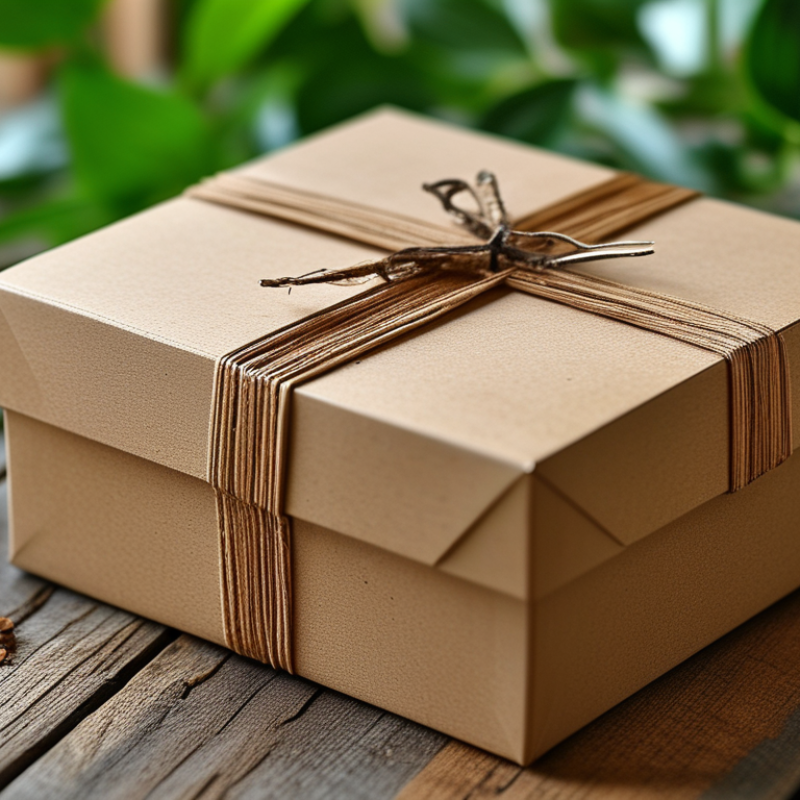
Top 10 Best Materials for Gift Boxes to Consider

Overview of Gift Box Materials: Importance and Considerations

When selecting materials for gift boxes, several factors come into play. The right choice enhances the presentation and impacts the unboxing experience. Corrugated cardboard is popular due to its durability. It withstands rough handling yet looks appealing. Consumers appreciate sustainability, making recycled materials a noteworthy option. They signal environmental responsibility and can be just as charming as new materials.

Paperboard offers versatility and can be customized easily. It can be printed with vibrant colors and designs. This material helps convey the sender’s thoughtfulness. However, it may lack the sturdiness needed for heavier items. Consider also fabric options, like cotton or burlap. They add a tactile element that excites recipients. Yet, they often come at a higher cost.

While it’s tempting to focus solely on aesthetics, function is crucial too. Ensure the material protects the gift inside. In some cases, combining materials can be a smart approach. For example, a sturdy box with a decorative paper wrap offers both style and security. Ultimately, balance is necessary. The ideal gift box material reflects the gift's essence while leaving a memorable impression.

Cardboard: Versatile and Cost-Effective Packaging Solution

Cardboard stands out as a popular choice for gift box materials. Its versatility and cost-effectiveness make it an ideal option for businesses and consumers alike. According to a recent report by Smithers Pira, the global market for cardboard packaging is expected to reach approximately $400 billion by 2026. This statistic highlights the growing reliance on cardboard as a primary packaging material.

One of the key advantages of cardboard is its lightweight nature. This property reduces shipping costs. Additionally, cardboard is easily customizable. It can be printed with vibrant designs or colored to match various themes. Despite its durability, cardboard does have limitations. It may not be as moisture-resistant as plastic or metal alternatives. This can be a concern for items that require extra protection.

Sustainability is also a significant factor. Cardboard is recyclable and biodegradable. This aligns with the increasing consumer demand for environmentally friendly packaging. However, some consumers question its long-term durability. They worry whether cardboard boxes will hold up over time, especially for delicate items. Balancing these concerns with benefits is crucial for effective packaging choices.

Top 10 Best Materials for Gift Boxes to Consider

Material Versatility Cost Efficiency Eco-Friendly Appearance
Cardboard High Low Yes Customizable
Wood Medium High Yes Elegant
Plastic Low Medium No Variety
Metal Medium High No Stylish
Paper High Low Yes Vibrant
Fabric Medium Medium Yes Luxurious
Glass Low High No Chic
Recycled Materials High Low Yes Creative
Bamboo Medium Medium Yes Natural
Ceramic Low High No Artistic

Wooden Boxes: Premium Appeal and Sustainability Factors

Wooden gift boxes stand out due to their premium appeal and eco-friendly nature. Many people appreciate the unique textures and colors of wood. This natural material adds warmth and elegance to any occasion. When giving a gift, presentation matters. A wooden box enhances the overall experience.


Sustainability is a crucial reason for choosing wooden boxes. Unlike plastic, wood is biodegradable and renewable. Responsible sourcing ensures that the environment is respected. Many artisans create beautiful designs from reclaimed wood, showcasing creativity while promoting sustainability. However, not all wooden boxes are made equally. Some may not be treated for durability or may be sourced irresponsibly.


Investing in wooden boxes can be a mindful decision. They can be reused or repurposed, reducing waste. A simple wooden box can become a cherished storage solution or decorative piece. However, buyers should ask questions about sourcing and treatment. Ensuring that the wood is ethically obtained is essential. Each of these considerations affects the overall impact of your gifting choice.

Plastic Options: Durability and Design Flexibility in Gift Packaging

When considering materials for gift boxes, plastic options stand out for their durability and design flexibility. Plastic gift boxes can withstand various conditions. They resist moisture and wear, making them suitable for both indoor and outdoor use. Their lightweight nature also makes them easy to handle during shipping or storage.


Design flexibility is a significant advantage. Plastic can be molded into various shapes and sizes, allowing for innovative designs. Whether you need a classic box or a unique geometric style, plastic can accommodate your vision. Many plastic containers come in a range of colors and finishes, from glossy to matte, enhancing their visual appeal.


Tips: Be mindful of the environmental impact of plastic. Opt for recyclable or biodegradable plastic when possible. Also, consider the occasion when choosing colors and designs. Bright, playful hues may suit a children's gift, while muted tones are better for adult gifts. Ensure your choice aligns with the recipient's taste for a personal touch.

Specialty Materials: Unique Choices for Memorable Gift Presentation

When selecting materials for gift boxes, consider specialty options that enhance presentation. Unique materials can leave a lasting impression. According to a recent report by the Packaging Industry Association, over 65% of consumers believe packaging influences their perception of a brand. This highlights the importance of investing in distinctive materials.

One standout choice is recycled paper. It conveys sustainability, appealing to eco-conscious consumers. Additionally, fabric-wrapped boxes add a tactile experience. Using materials like organza or burlap creates an elegant touch. A survey revealed that 72% of consumers feel more connected to brands that prioritize eco-friendly packaging.

Tips for choosing materials focus on aesthetics and function. Consider the gift's nature. Fragile items need sturdy packaging, while soft goods can work well with lighter materials. Always test how a material presents. Not all options hold up under scrutiny. Reflect on your choices—each material tells a story. Using innovative materials can elevate your presentation, ensuring a memorable experience for recipients.

Top 10 Best Materials for Gift Boxes

FAQS

: What factors should I consider when selecting materials for gift boxes?

: Consider durability, aesthetics, and sustainability. The right material enhances presentation and protects the gift inside.

Why is corrugated cardboard a popular option for gift boxes?

It's durable, appealing, and withstands rough handling. It's also often recyclable, making it a sustainable choice.

What are the advantages of using paperboard for gift packaging?

Paperboard is versatile and customizable. You can print vibrant colors and designs on it, adding a personal touch.

Are fabric options like cotton or burlap good for gift boxes?

Yes, they add excitement and texture. However, they may be more expensive than traditional materials.

How can wooden boxes enhance the gift-giving experience?

Wooden boxes have a premium appeal and eco-friendly nature. They add warmth and elegance, making gifts feel special.

What should I ask about wooden boxes before purchasing?

Inquire about sourcing and treatment. Ensure the wood is ethically and responsibly sourced for sustainability.

Why are unique materials important for gift packaging?

Unique materials create lasting impressions, making the gifting experience more memorable for recipients.

Should practicality or aesthetics be prioritized when choosing materials?

Both are important. Ensure the material protects the gift while also enhancing the overall appearance.

How does packaging influence consumer perception?

Over 65% of consumers believe packaging affects their impression of a brand, highlighting its importance.

What stories do different materials tell in gift-giving?

Each material conveys a message, like sustainability or luxury. Reflect on your choices for meaningful gifting.

Conclusion

When considering what materials are best for gift boxes, various options come to the forefront, each with its own unique advantages. Cardboard stands out as a versatile and cost-effective solution, providing a reliable way to package gifts while being easily customizable. For those seeking a more premium appeal, wooden boxes offer both aesthetic charm and sustainability, making them a popular choice for high-end gifts.

Additionally, plastic options provide durability and design flexibility, allowing for creative presentations that can withstand handling and storage. Specialty materials also present unique alternatives for memorable gift presentation, catering to specific themes or occasions. Ultimately, the choice of material will depend on the desired balance between cost, appearance, and functionality in gift packaging.

Sophia

Sophia

Sophia is a dedicated marketing professional with an exceptional depth of knowledge about her company's products and services. With a keen understanding of market trends and customer needs, she crafts insightful blog posts that not only inform but also engage readers, enriching the company’s online......